Beef Checkoff & Remittance Forms
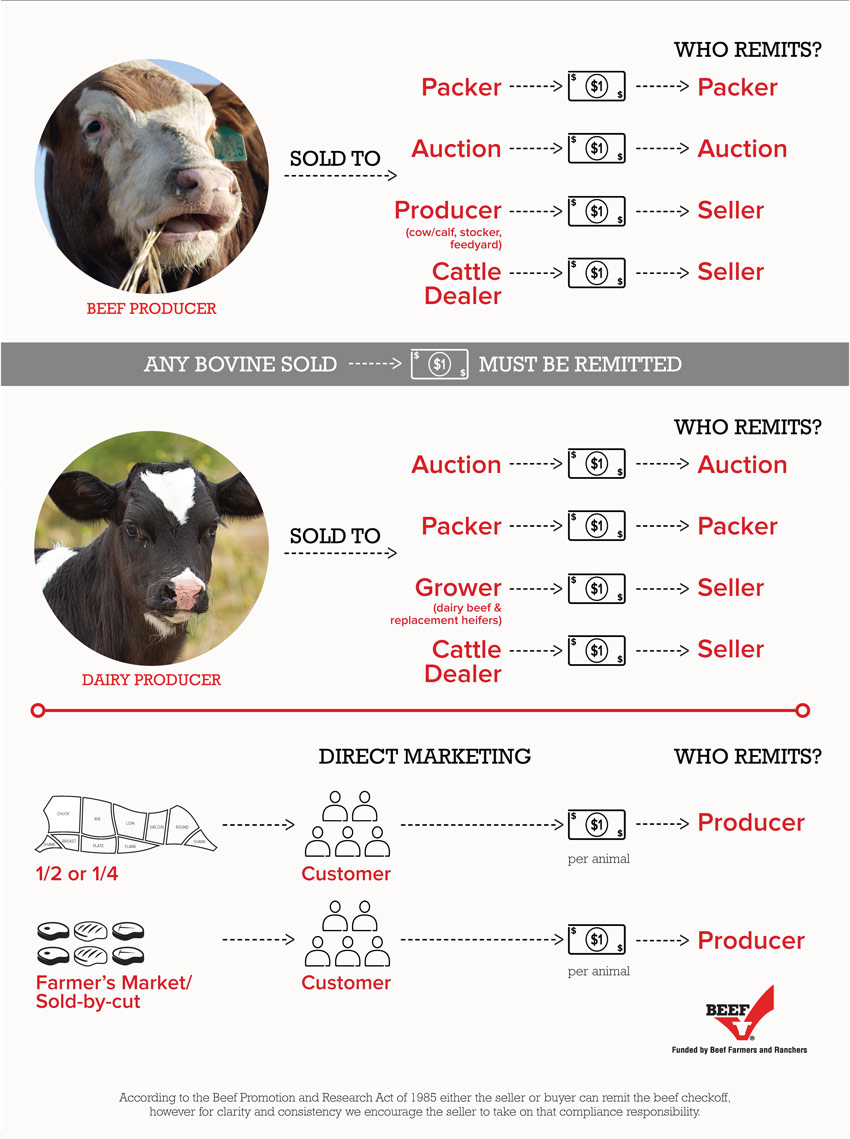
The Checkoff was signed into law by the 1985 Farm Bill as a part of the Beef Promotion and Research Act. $1-per-head must be submitted every time (bovine) cattle or calves are sold, regardless of age, sex or purpose.
Learn More about the Beef CheckoffFrequently Asked Questions:
WHO PAYS THE CHECKOFF DOLLAR?
All beef, dairy and veal producers. Any producer selling cattle must pay the dollar.
ISN’T THE DOLLAR COLLECTED ONLY WHEN CATTLE ARE SOLD FOR SLAUGHTER?
No. The $1.00 per head checkoff is due each time an animal is sold, regardless of its age or purpose. This means feeder cattle and stockers, as well as fed cattle, are subject to the checkoff. Breeding stock and dairy cows sold into other herds, whether privately or at auction, are also subject to the checkoff.
IS ANYONE EXEMPT FROM PAYING THE CHECKOFF?
No. As of October 1, 1996, as stated in the Beef Promotion and Research Act and Order, anyone selling cattle or calves is required by federal law to remit the dollar checkoff. Special allowances are made for buyers who resell cattle no more than 10 days after purchasing them. In these cases, a "Certification of Non-Producer Status" form must be filed for each transaction.
How do I remit checkoff dollars, and when is payment due?
Find the correct remittance form from the options below. Remittance forms and payments are due by the 15th day of the month following the transaction. For help filling out the monthly remittance form, check out this help sheet.
Remittance Forms
Monthly Remitters
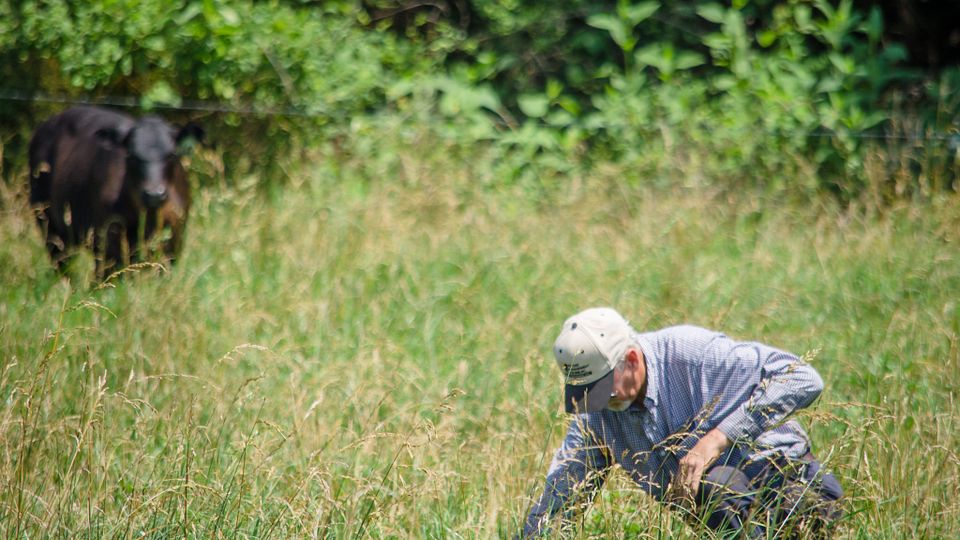
Auction markets, order buyers, feedlots and large-scale direct marketers may be included as monthly remitters. All forms are due by the 15th of each month.
Producer Remittance Forms
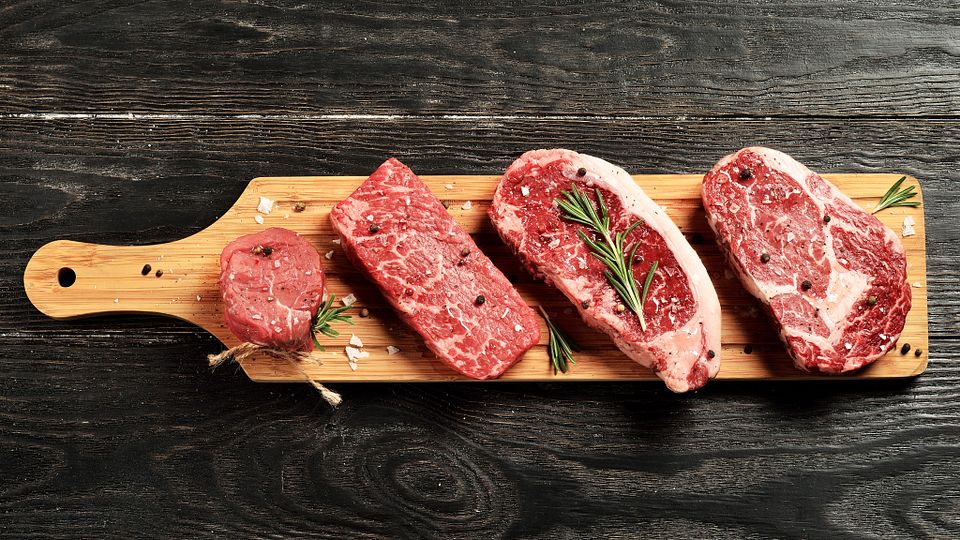
Producers who are direct marketing their meat to customers by halves, quarters, or by cut by law must remit the dollar for every animal harvested to sell. A dollar per head must be remitted directly to the Wisconsin Beef Council once a year by the seller. The buyer is considered to be miscellaneous as the product is sold to various customers.

4-H County Fair Sales
Youth livestock sales are an important part of many county 4-H programs throughout the state. These sales are not exempt from remitting the checkoff. Be sure to check with your auction organizer to find out if the dollar checkoff was remitted on your behalf. Educating our youth about marketing production livestock is an important component of the 4-H program. These sales must be remitted once a year after the fair or cattle show.

Dairy Cattle
The Beef Checkoff was established to include all bovines, including dual-purpose animals such as dairy cattle. One dollar is collected every time a bovine animal is sold regardless of its age or production type. Additionally, the checkoff is due on private sales of dairy animals to other producers or cattle dealers; including dairy replacements and bull calves.

What is the Beef Checkoff?
The Beef Checkoff Program was established as part of the 1985 Farm Bill. The checkoff assesses $1 per head on the sale of live domestic and imported cattle, in addition to a comparable assessment in imported beef and beef products. The checkoff assessment became mandatory when the program was approved by 79% of producers in a 1988 national referendum vote.